This is part of a series of reading clusters for secondary school librarians and teachers. The clusters are groups of books, tied to a curriculum topic, chosen to build both subject knowledge and the kind of vocabulary students need to write and think with confidence.
Each cluster has a theme that gives the books their shape.
There’s a moment in Kazuo Ishiguro’s Never Let Me Go when Kathy H, looking back on her childhood, describes how she and her friends always knew, on some level, what they were for. They never quite said it out loud. Neither did the adults around them.
It is one of the most quietly devastating things in contemporary fiction, and it maps almost perfectly onto the complex questions that emerge as students explore more on the subject of Biology.
Whose body is it? Who decides what happens to it? And what do we owe the people whose bodies make medical progress possible?
The Books
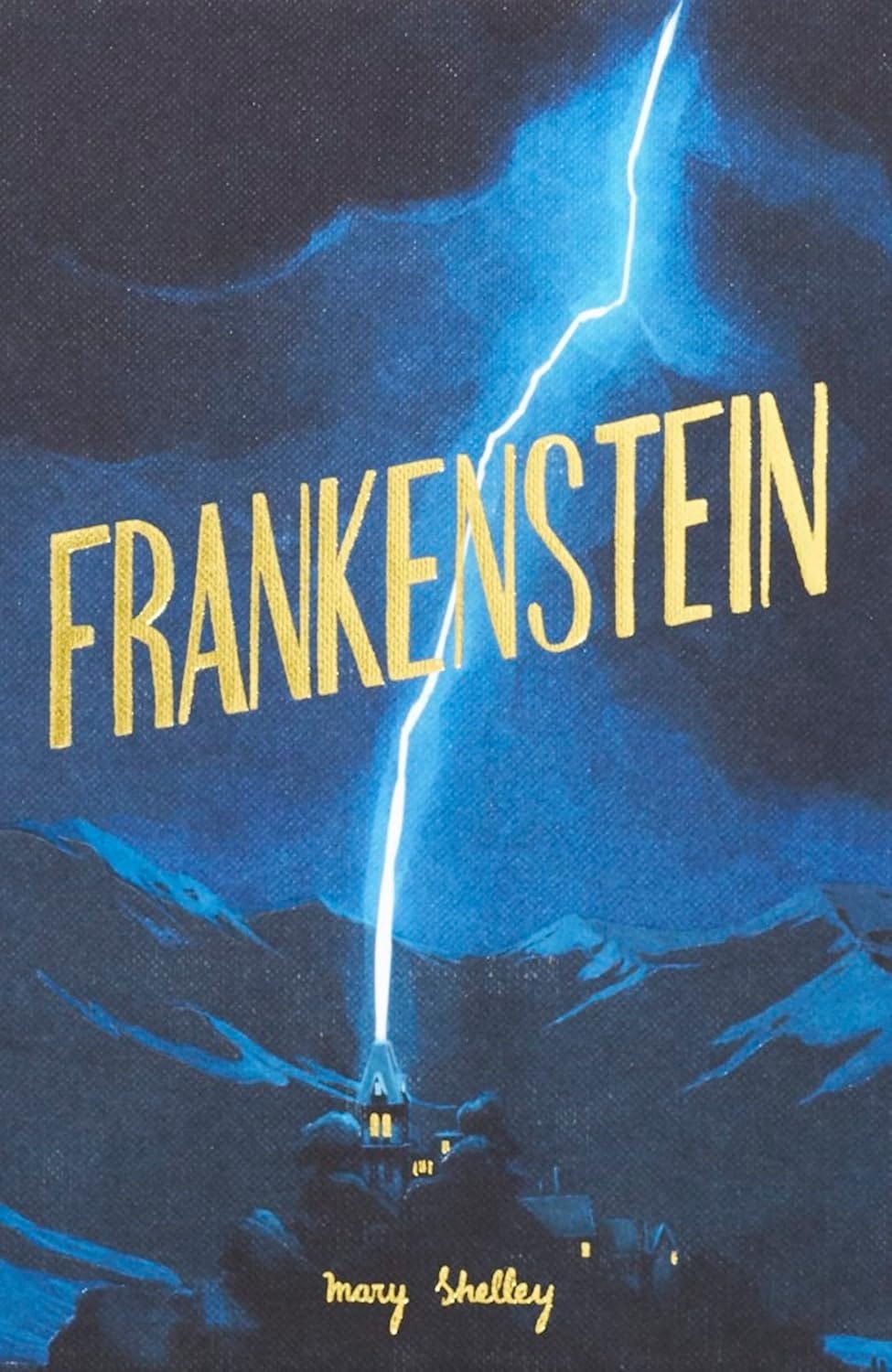
Frankenstein by Mary Shelley
Written in 1818 by a nineteen-year-old, Shelley’s novel asks whether a creator bears responsibility for what they bring into existence — and what happens when the answer is no. Victor Frankenstein makes a being and then abandons it; the horror that follows is not the monster’s fault. Two hundred years later, every ethical debate about cloning, genetic engineering, and designer babies is still having this conversation.
Year 9+
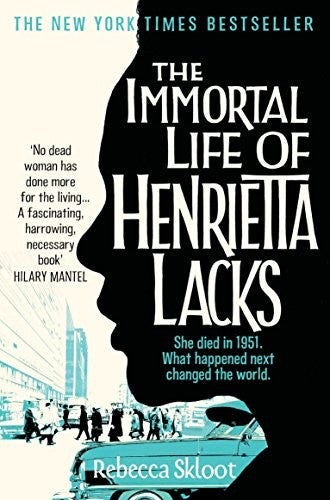
The Immortal Life of Henrietta Lacks: Young Readers’ Edition by Rebecca Skloot
In 1951, a Black woman’s cancer cells were taken without her knowledge during treatment at a segregated American hospital. Those cells, known as HeLa, went on to underpin polio vaccines, cancer research, and decades of medical breakthroughs. Her family knew nothing for twenty years. This is not a thought experiment. The questions of consent, exploitation, and who benefits from whose body are all here, rooted in real history and told with the pace of a thriller. The young readers’ edition makes it fully accessible to secondary students.
Year 9+
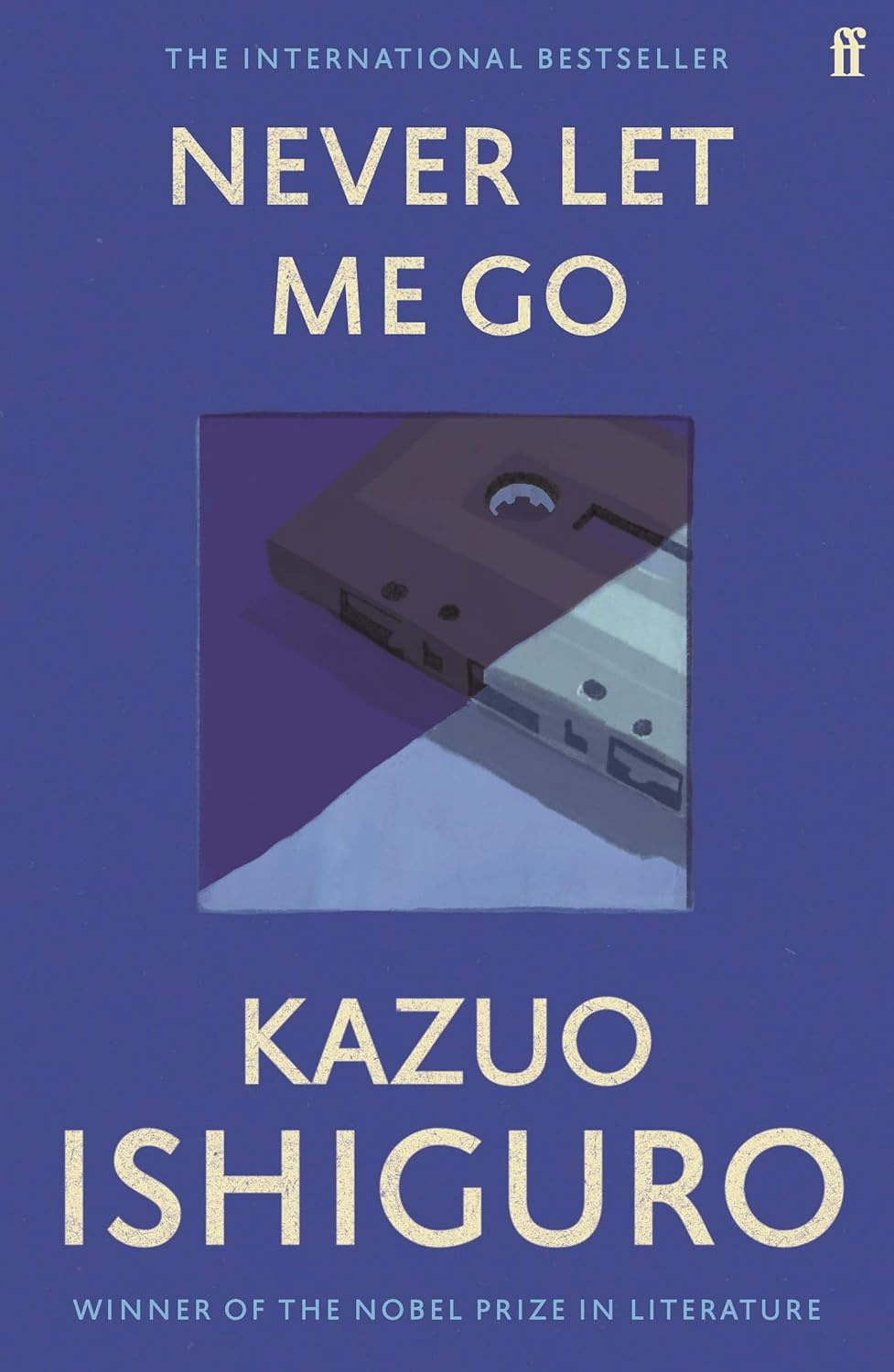
Never Let Me Go by Kazuo Ishiguro
Students raised as organ donors in an alternative mid-twentieth century England, who grow up knowing on some level what they are for, and never quite resist it. The science is background; the ethics are everything. What makes it devastating is not the premise but the compliance: why don’t they run? That question sits at the heart of every discussion about autonomy, dignity, and what systems do to people who are told their place in them from birth.
Year 10+
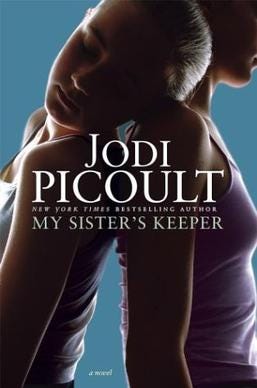
My Sister’s Keeper by Jodi Picoult
Anna Fitzgerald was conceived specifically to be a donor match for her older sister Kate, who has leukaemia. At thirteen, she sues her parents for medical emancipation. Where Ishiguro’s characters accept their fate quietly, Anna fights, which makes the two novels a natural pair. Picoult’s realist, close-to-home setting makes the ethics feel immediate in a way dystopia sometimes can’t.
Year 9+
How do you use books in your teaching? I'd love to know what has worked. Please comment below!