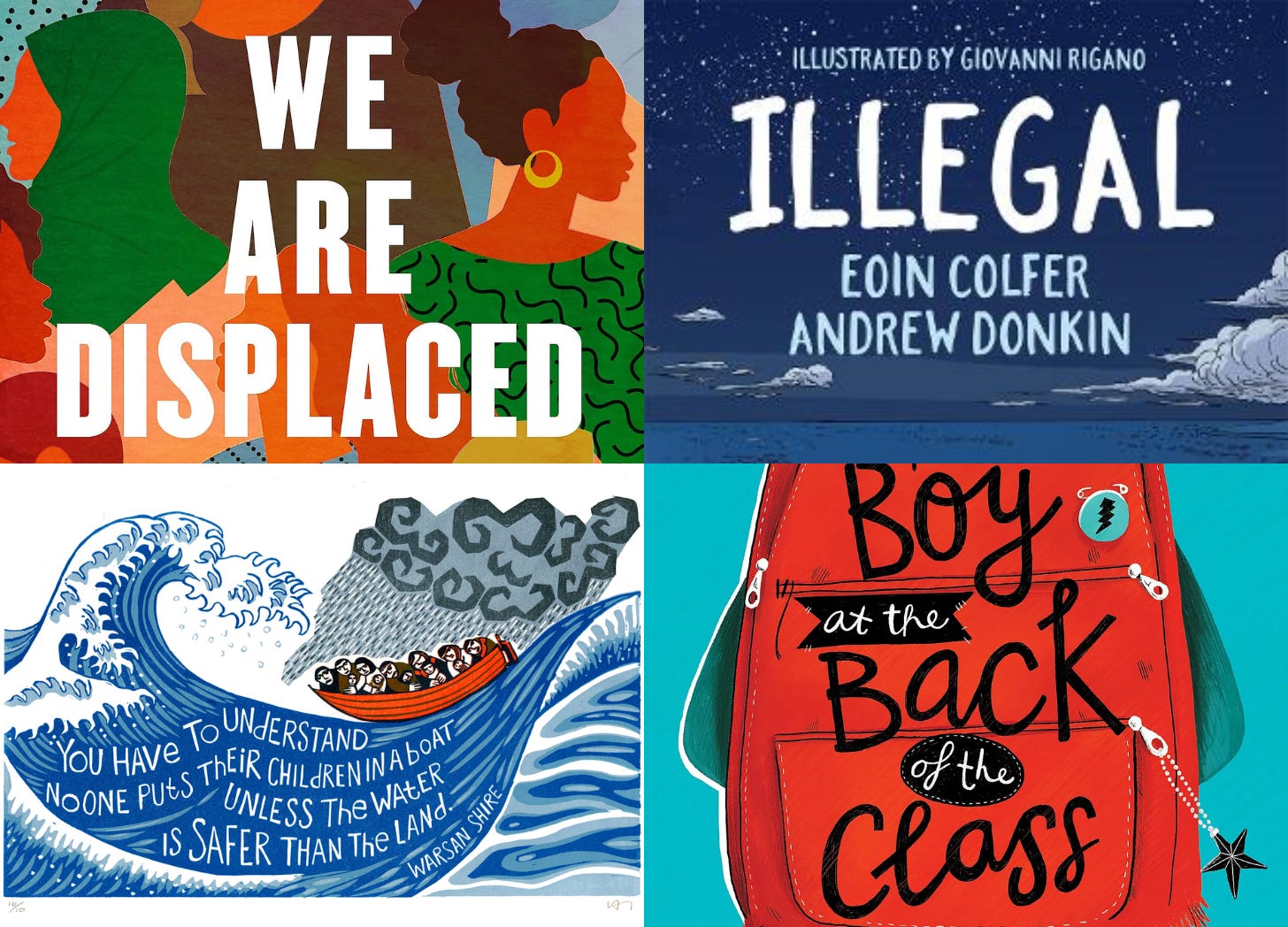
This is part of a series of reading clusters for secondary school librarians and teachers. The clusters are groups of books, tied to a curriculum topic, chosen to build both subject knowledge and the kind of vocabulary students need to write and think with confidence.
Each collection has a theme that gives the books their shape.
We often begin with place: countries on maps, borders drawn in lines, and homes fixed to locations. Belonging can seem straightforward, something tied to where you are born or where you live.
But in Illegal, place is anything but stable. Home is something left behind, and what follows is a journey shaped by borders that determine who is allowed to stay and who must keep moving. The novel foregrounds the physical reality of migration, but it also raises a more difficult question about belonging - whether it is something you carry with you or something granted by others.
Geography gives us the language to describe this: migration, borders, citizenship.
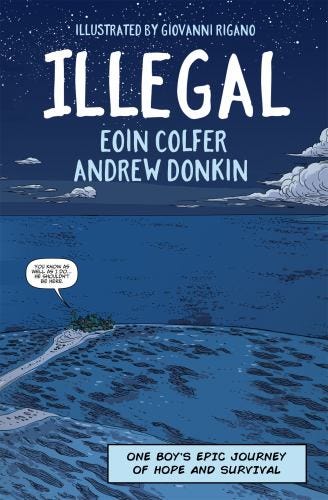
Illegal by Eoin Colfer and Andrew Donkin
Following a young boy’s journey from Africa to Europe, this graphic novel traces the physical reality of migration — deserts, smugglers, detention, and the constant threat of failure. Its visual form makes the route tangible, helping students grasp the scale and danger of the journey itself, while raising questions about borders, control, and who is allowed to move.
Year 8+
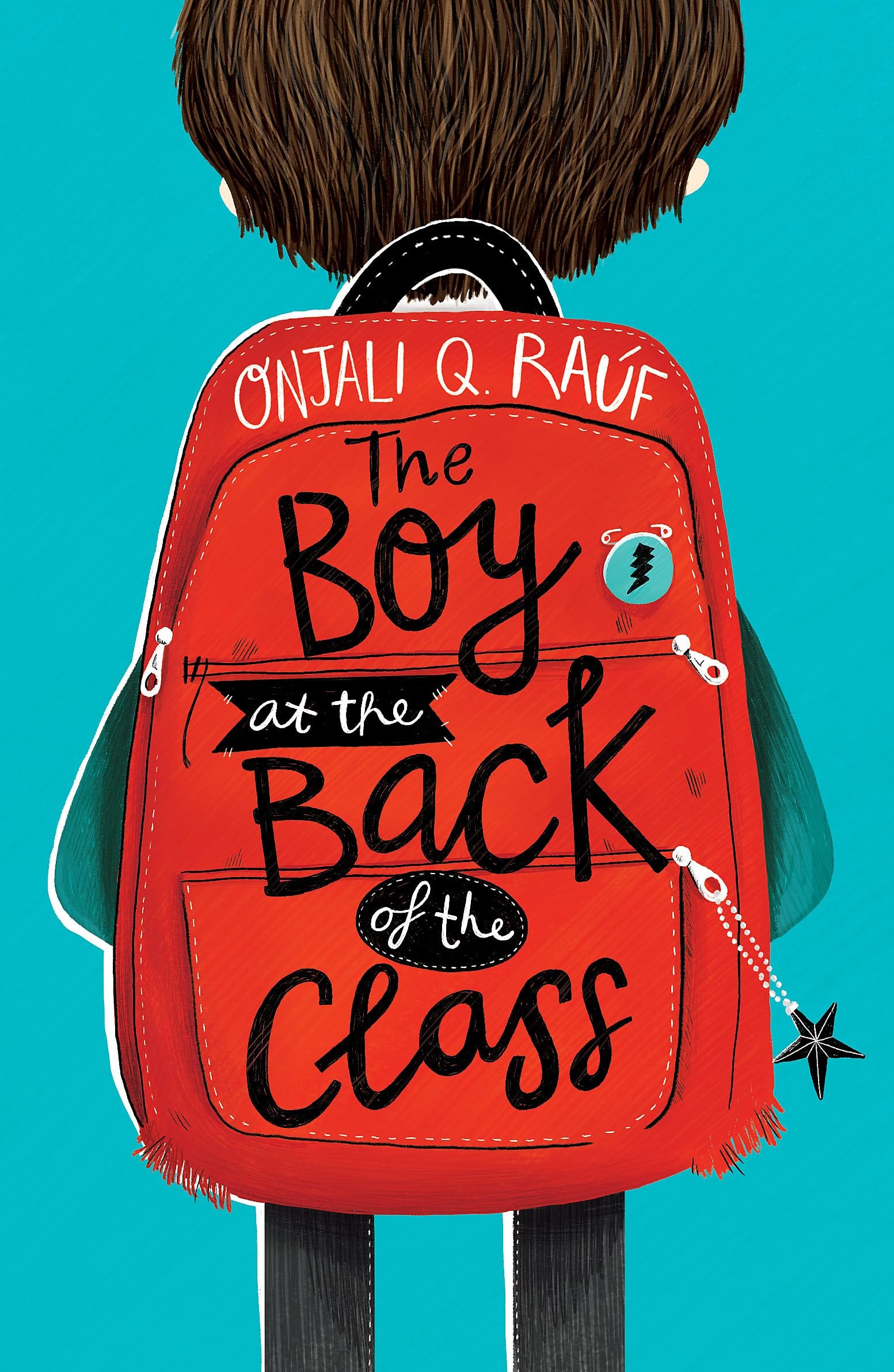
The Boy at the Back of the Class by Onjali Q. Raúf
Told through the perspective of a group of schoolchildren, this novel follows a refugee arriving in a British classroom, shifting the focus from journey to settlement. It explores how migrants are received, misunderstood, and sometimes supported, making it a useful text for examining integration, belonging, and the social realities of migration in host countries.
Year 7+
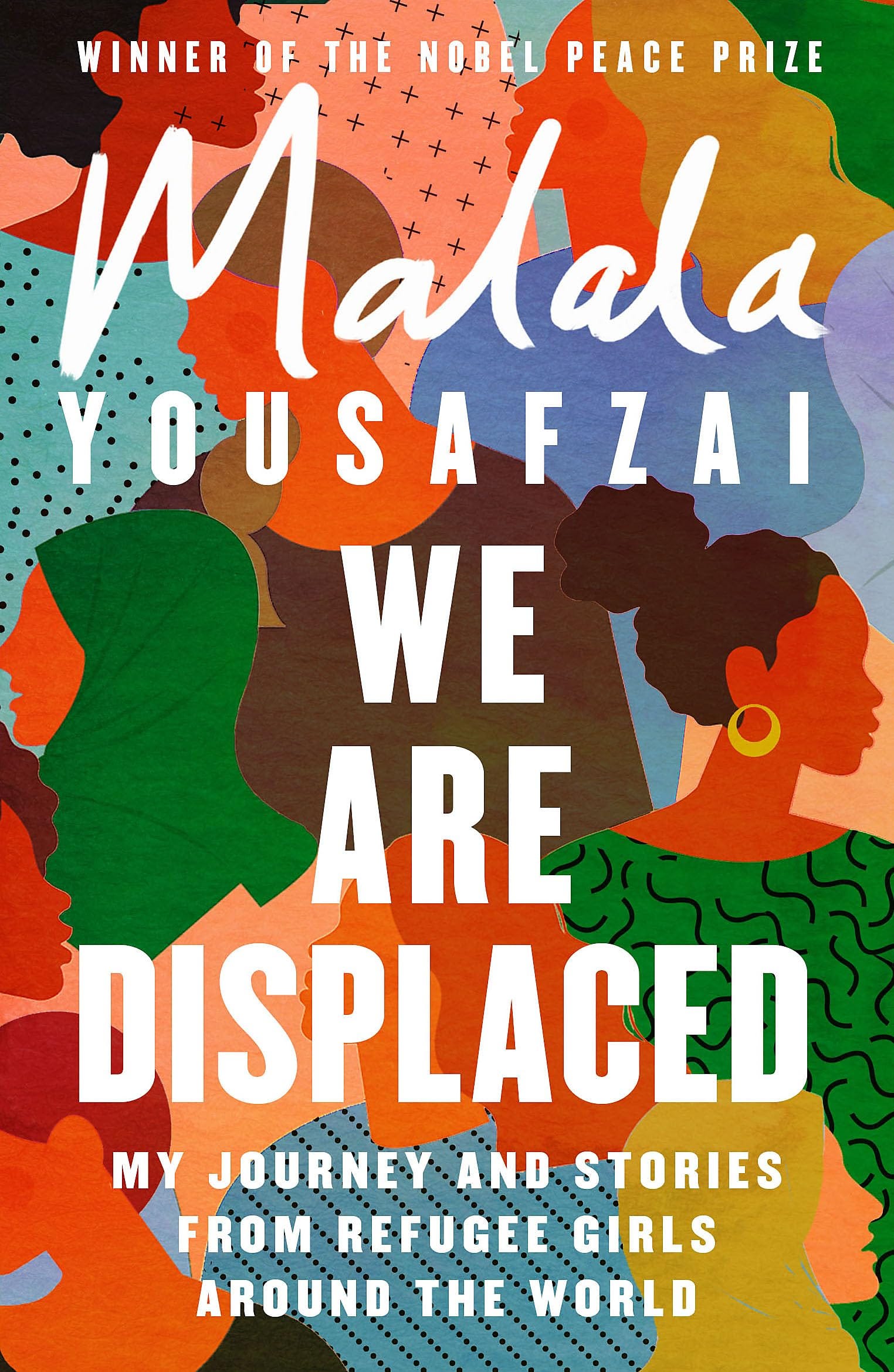
We Are Displaced by Malala Yousafzai
This collection of real-life accounts brings together stories of displacement from across the world, alongside Malala’s own experience. By presenting multiple voices, it moves beyond a single narrative to show migration as a global pattern shaped by conflict, persecution, and inequality. It helps connect individual experiences to key geographical ideas such as push and pull factors.
Year 8+
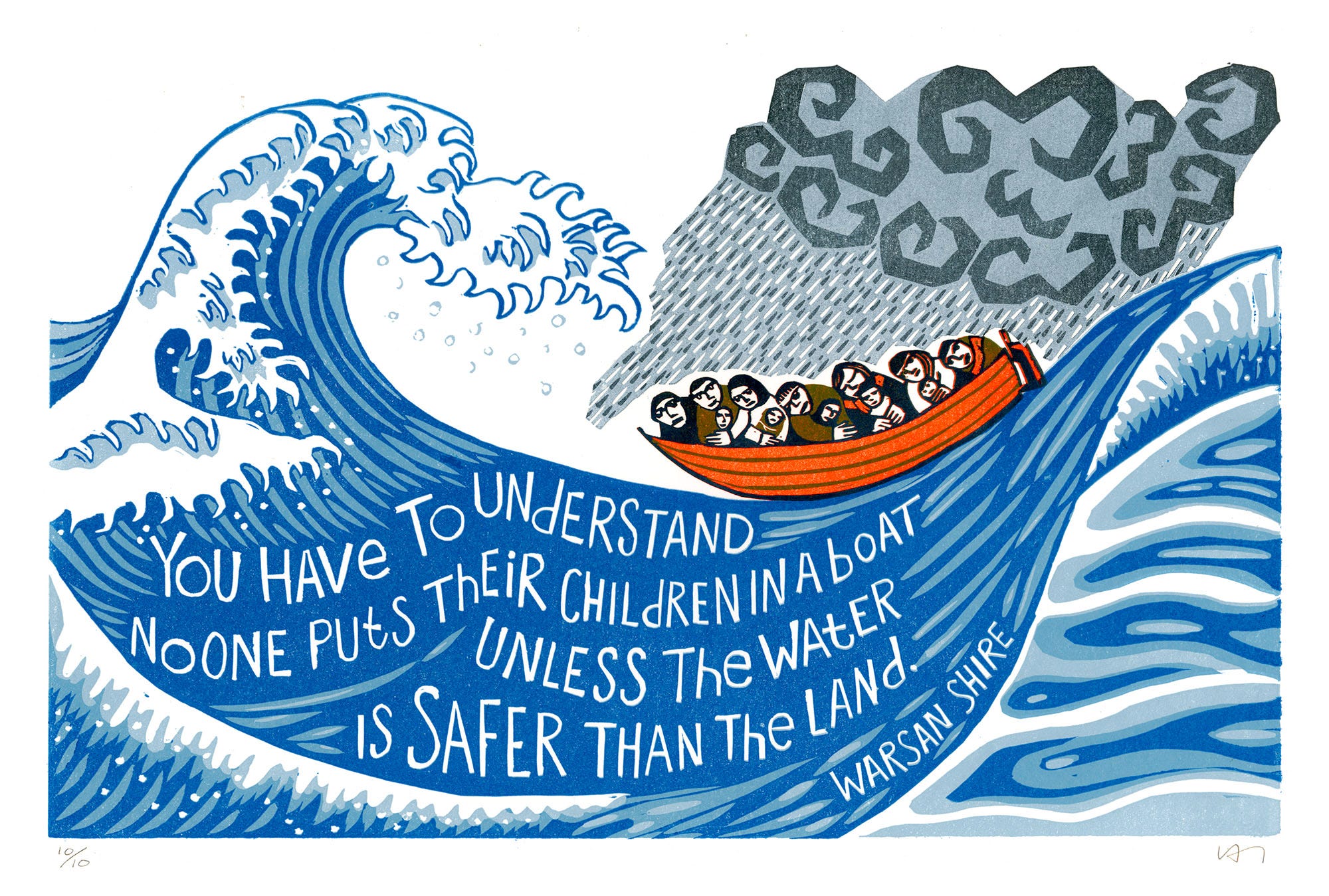
Home by Warsan Shire
Shire’s poem captures the urgency of forced migration, insisting that people leave only when staying becomes impossible. Through vivid, compressed imagery, it conveys the emotional and psychological pressures behind movement, making abstract concepts like “push factors” immediate and human. A powerful way to think about voice and perspective within the topic.
Year 8+
Do you use fiction in your broader teaching? I'd love to know which books have worked. Please comment below!