

This is part of a series of reading clusters for secondary school librarians and teachers. The clusters are groups of books, tied to a curriculum topic, chosen to build both subject knowledge and the kind of vocabulary students need to write and think with confidence.
Each collection has a theme that gives the books their shape.
Art Spiegelman’s father survived Auschwitz. Spiegelman spent years interviewing him, recording the conversations on tape, arguing with him about the heating bill between questions about the camps. Maus is the book that resulted from those interviews. It is also a book about the interviews themselves — about what it costs to ask, and what it costs to answer.
How do we remember the past? Who carries the memory, and what happens when the witnesses are gone? These are not just historical questions. They are the questions that every student encounters when they first study this subject, and they don’t have easy answers.
The Books
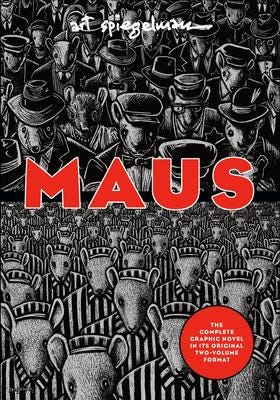
Maus by Art Spiegelman
Jews are depicted as mice, Nazis as cats, Poles as pigs. It sounds reductive; it is anything but. Spiegelman’s formal choice forces readers to think about representation itself — about how we tell stories that resist being told. The frame narrative, in which Spiegelman interviews his difficult, complicated father, Vladek, is as important as the Holocaust story inside it. This is a book about memory and the people who carry it. The tenth anniversary edition includes a second volume.
Year 9+
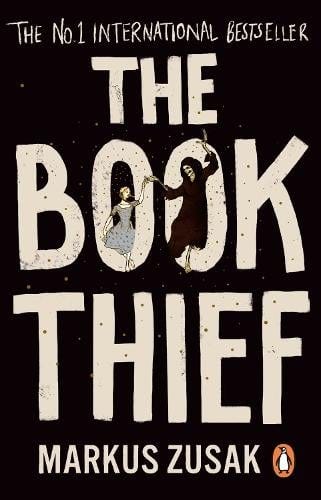
The Book Thief by Markus Zusak
Death narrates. Liesel Meminger is a young girl in Nazi Germany who steals books, learns to read, and hides a Jewish man in her basement. Zusak’s novel does something unusual: it places an ordinary German family at the centre, neither perpetrator nor victim, and asks what it means to be a bystander. The language is demanding and rewards it. A natural companion to Maus because both books are interested in how stories survive when the people who lived them do not.
Year 8+
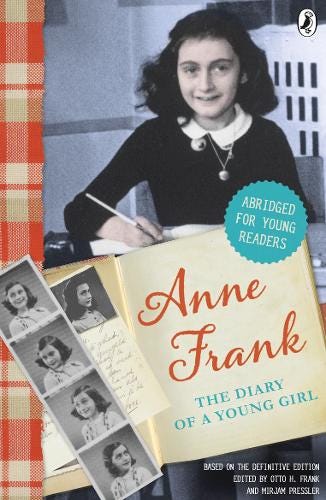
The Diary of a Young Girl by Anne Frank
Written while in hiding during the Nazi occupation of the Netherlands, Anne Frank’s diary offers an immediate, unfiltered account of life under threat. Unlike retrospective memoirs, it captures experience as it happens, making it uniquely powerful. Its status as both a personal document and a widely published text also raises important questions about whose stories are preserved, edited, and remembered, making it central to any exploration of memory and the Holocaust.
Year 7+
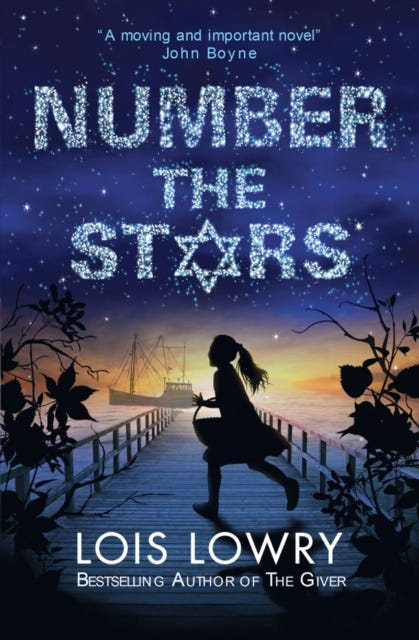
Number the Stars by Lois Lowry
Lowry’s novel focuses on a Danish girl helping her Jewish friend escape the Nazis, presenting World War II through a child’s perspective. Its simplicity and restraint make it accessible, while still introducing moral courage, resistance, and the realities of occupation. Useful as an entry point into the topic, particularly for younger readers beginning to explore historical memory and ethical choices.
Year 7+
Do you use fiction in your broader teaching? I'd love to know which books have worked. Please comment below!