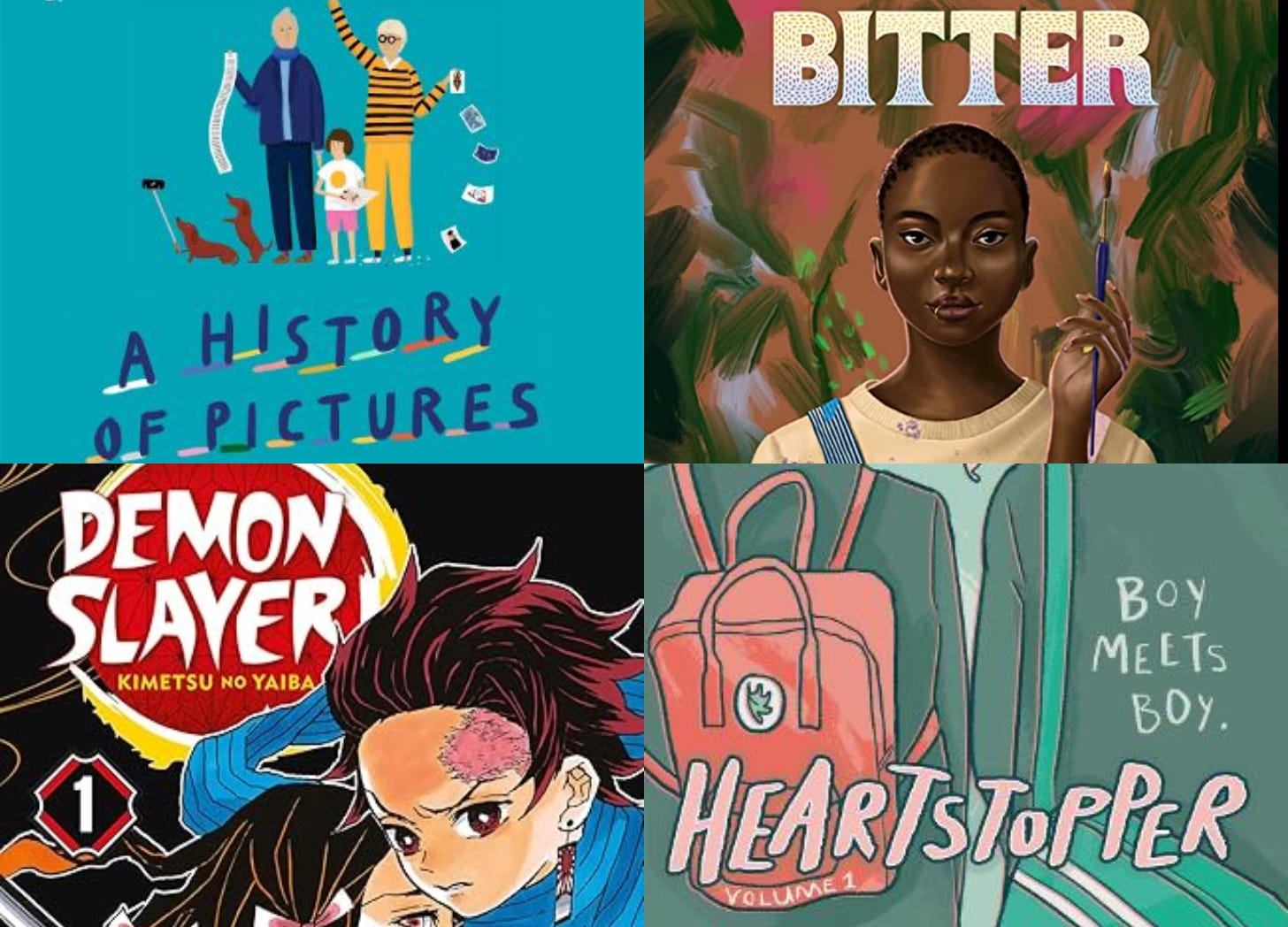
This is part of a series building reading clusters for secondary school librarians and teachers. The clusters are groups of books, tied to a curriculum topic, chosen to build both subject knowledge and the kind of vocabulary students need to write and think with confidence.
Each collection has a theme that gives the books their shape.
Alice Oseman started drawing Heartstopper as a webcomic in 2016. The style looks simple — clean lines, loose mark-making, leaves and stars that drift across the panels like feelings that don’t quite have words yet. But look more closely and you start to see where it comes from. The bold outlines have the confidence of Pop Art. The magical floating motifs belong to a long tradition of artists who found that realism couldn’t hold everything they wanted to say. The warmth in every page is the result of thousands of deliberate choices about line, space, and what to leave out.
KS3 Art & Design asks students to study the great movements — Impressionism, Cubism, Surrealism, Pop Art, Contemporary Art, non-Western traditions. This cluster starts somewhere students already love and traces those movements backwards. Where does a distinctive artistic voice come from?
It comes from everything the artist has ever seen, read, and felt.
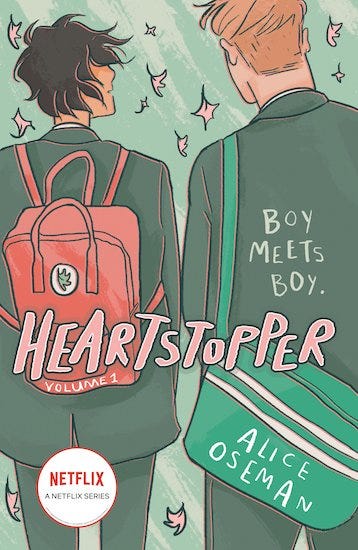
Heartstopper Vol. 1 by Alice Oseman
Charlie and Nick. A school friendship that becomes something more, told through panels that use white space, floating leaves, and expressive line work to carry emotions that dialogue alone couldn’t. Oseman’s visual style makes for a great entry point as she is a contemporary artist whose work connects directly to the movements students are studying — plus the children will be fighting over copies in the library.
Year 8+ (Most libraries mark as 13+)
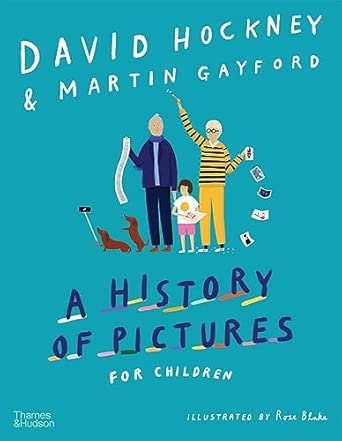
A History of Pictures for Children by David Hockney & Martin Gayford
Hockney and Gayford take readers on a journey through art history from cave paintings to the images we make on phones and computers today, told as a conversation between a painter and an art critic. It models the kind of looking and talking about art that the KS3 curriculum wants students to develop — and it asks the same question as this cluster: what is a picture, and why do humans keep making them?
Year 7+
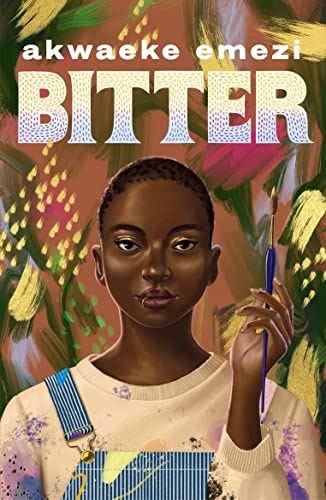
Bitter by Akwaeke Emezi
Bitter is a young painter at an arts school for gifted students, trying to work out whether she belongs in the studio or in the streets as the city around her fills with protest and unrest. Her art is literally her power, and the question of what to do with that power sits at the heart of the book. Art as identity, art as resistance, art as something you have to keep choosing.
A content note: the book carries warnings for sexual violence and anti-Black racism.
Year 9+
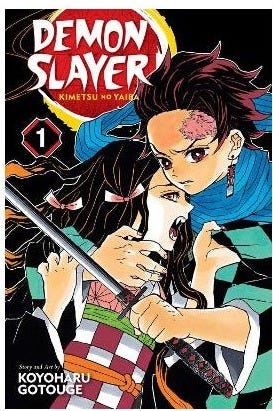
Demon Slayer: Kimetsu no Yaiba Vol. 1 by Koyoharu Gotouge
This is of the best-selling manga series of all time and was a successful film last year. Students will definitely recognise it. Tanjiro Kamado’s quest to save his demon-transformed sister is told through artwork that weaves traditional Japanese ukiyo-e patterns into dynamic, expressive action sequences — a direct line between one of the most important non-Western art traditions and one of the most popular comics in the world right now.
A content note: the series contains violence.
Year 9+
Do you use fiction in your broader teaching? I'd love to know which books have worked. Please comment below!